
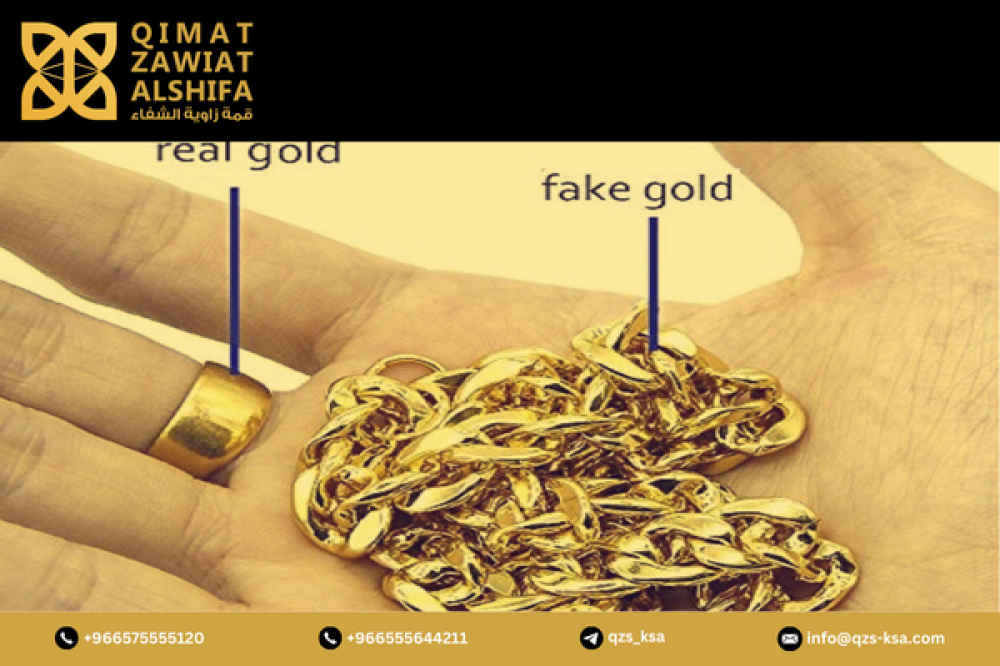
In the world of jewelry, understanding the difference between pure gold and gold plating remains a crucial step in making an informed purchasing decision that preserves value and reflects refined taste. At the Al-Shifa Gold and Jewelry Summit, we explain the fundamental differences between the two in terms of purity, durability, investment value, and longevity, helping you confidently choose the piece that best suits your needs. Knowing the details today means a safer investment tomorrow.
What is gold plating?
Gold plating or coating is a base metal such as copper, silver, or nickel that is coated with a very thin outer layer of gold using techniques such as electroplating.
Therefore, gold here is merely a surface coating that gives the piece its golden color and shine, but it does not constitute its main component.
Is plated gold considered gold?
No, gold plating is not pure gold; it's a piece made of another metal that has been coated with a thin layer of gold. Here's a more detailed explanation:
1. It has a very low gold content:
- In pure gold, or 21 and 18 carats, the percentage of gold is high and forms the basis of the piece.
- In gold plating, the amount of gold is very limited and is only found in the outer layer.
2. It does not hold the same investment value:
- Real gold is a precious metal that retains its value and can be sold or recycled.
- Gold plating, however, cannot be resold for its gold value, because it simply does not contain a sufficient amount of gold.
3. Susceptible to corrosion over time:
With use, friction, and external factors, the gold layer may erode and the underlying material may be exposed, which does not happen in the same way with pure gold.
What is the difference between gold and gold-plated gold?
When considering buying a new piece of jewelry, an important question arises: What is the difference between gold and gold-plated jewelry? Understanding this difference is not just about the external appearance, but also about the true value, lifespan, and quality of the investment. Here are the details:
First: The difference in composition
The main difference between gold and gold leaf lies in the composition:
- Pure gold consists of the element gold in a high proportion, reaching 24 carats in its purest form. It is often mixed with other metals such as copper or silver to increase hardness and durability, resulting in different carats such as 21, 18, and 14 carats.
- Gold plating, on the other hand, is essentially another metal such as copper, silver, or nickel, coated with a very thin layer of gold through a process known as electroplating. Thus, the gold is present only as a surface layer, not as a primary component of the piece.
Secondly: The difference in quality and method of care
The different compositions directly affect the quality and lifespan of each type:
- Real gold: It is highly durable and corrosion-resistant, so it doesn't rust or tarnish easily. With simple care, such as cleaning it with a soft cloth to maintain its shine, it can retain its beauty for many years.
- Gold plating is more prone to tarnishing over time due to friction and external factors such as water, perfumes, and skin oils. The thin gold layer can scratch or peel, revealing the color of the underlying metal. However, its lifespan can be extended with proper care.
Third: Price difference
Price is a crucial element in the purchase decision, and this is where a clear difference between the two types becomes apparent.
- Gold: It is a precious and rare metal, therefore commanding a relatively high price. Its price is influenced by its purity, weight, design, and global gold prices. It is considered a long-term investment option because it retains its value and can appreciate over time.
- Gold plating: Significantly less expensive, as it uses a less expensive base metal with an outer gold layer. This allows for an attractive gold appearance at a more economical price.
Fourth: Differences in shape and appearance
The pieces may look similar at first glance, but there are subtle differences that can be noticed upon closer inspection.
- Color: Real gold has a consistent and deep color, while plated gold may tend to be yellowish or reddish depending on the metal used underneath.
- Weight: Gold is relatively heavier due to its high density, while plated pieces are lighter.
- Distinguishing marks: Genuine gold pieces bear a hallmark such as 750 (18 karat) or 916 (21 karat), while plated pieces may contain symbols such as GP, GEP or HGE that indicate plating.
Fifth: The basic material
- Genuine gold: a pure metal used directly in the manufacture of jewelry, whether it is 24 carats or mixed with other metals according to the carat.
- Gold plating: A base metal such as copper or silver is covered with a thin layer of gold using plating techniques such as electroplating or PVD technology.
Why does gold plating change color so quickly? And how can you preserve it?
The main reason is due to the nature of the gold plating itself. It is not pure gold, but a base metal such as copper, silver, or nickel, which is covered with a very thin layer of gold through electroplating or other techniques such as PVD. This gold layer is what gives the piece its golden color and shine, but it is very thin, so it is quickly affected by the following factors:
- Limited plating thickness: The gold layer is usually very thin (micron-sized), so any friction with clothing, skin, or hard surfaces gradually wears it away, exposing the base metal and changing the color of the piece.
- Daily friction: Frequently wearing gold-plated gold means it's constantly exposed to friction from hands, clothing, or even tables and household items. Every little bit of friction weakens the plating over time.
- Exposure to water and humidity: Water, especially with salts or chlorine, erodes the gold layer and accelerates discoloration. Showering, swimming, or frequent hand washing speeds up this process.
- Perfumes and cosmetics: Perfumes, creams, and chemical preparations contain compounds that react with plated gold and weaken the surface layer, causing the piece to lose its shine and become more prone to change.
- Skin type: The skin's pH level and the amount of sweat vary from person to person, and this affects the speed at which the paint layer wears off. Some people may notice the color change faster than others.
How can you keep gold-plated jewelry looking its best for as long as possible?
Caring for gold-plated gold can extend the life of the gold plating and maintain its shine for a longer period, by adhering to the following tips:
- Wear jewelry after applying perfumes and creams: Make putting on the piece the last step after you finish personal care to avoid exposing it to chemicals.
- Avoid water completely: It is preferable to remove the garment before showering, swimming, or washing hands, especially if the water contains chlorine or salts.
- Stay away from chemicals and detergents: Do not expose the piece to detergents, alcohol, or any strong cleaning fluids, as these will quickly erode the paint.
- Proper storage: Store plated jewelry in a lined box or separate cloth bag away from moisture, direct light, and friction with other pieces.
- Gentle cleaning: Clean gold plating using only a soft, dry cloth. Avoid vigorous rubbing or using cleaning fluids, as this will accelerate plating loss.
- Reduce daily use: Use gold-plated jewelry for special occasions or short periods instead of wearing it permanently, to reduce the chances of the gold plating eroding.
In conclusion, understanding the difference between gold and gold-plated gold empowers you to make an informed purchasing decision that combines beauty, quality, and true value. Invest in real gold with the pinnacle of healing angles for gold and jewelry to ensure a piece that lasts a long time and retains its luxury and shine, with sophisticated designs that reflect your refined taste.
Frequently Asked Questions
Is gold-plated gold a good investment?
No, gold plating is not considered an investment because it doesn't retain value like real gold. It's an option for achieving a beautiful gold look at a lower cost.
Can gold plating be re-painted?
Yes, some specialized jewelry workshops can re-paint plated gold to renew its appearance, but that does not make it real gold.
